


Outpatient Mental Health for Adolescents & Teens in Smyrna, TN
- Severe symptoms of anxiety or depression
- Behavioral health challenges, including anger management issues, school avoidance, bipolar disorder, self-harm, or suicidal thoughts
- Neurodivergent mental health challenges
This video requires Targeting cookies. Update your cookie settings.
How Embrace U Works
Reach out
Call our care team to learn more about Embrace U programs, insurance coverage, and answer any other questions you may have.
Get your free assessment
Come in for a free assessment. In a 60-minute session, we’ll review your child's unique needs and find the treatment program that’s right for them.
Life-changing treatment
Our evidence-based treatment programs set participants and their families up for long-term success. Learn more about our programs below.
What Is Embrace U?
Embrace U is an evidence-based, outpatient therapy provider designed to help people ages 10-18 gain control over the symptoms of a mental illness.
The Embrace U care team includes a board-certified child and adolescent psychiatrist, a psychiatric nurse practitioner, licensed therapists, and registered nurses.
Our adolescent mental health clinics in Brentwood, Chattanooga, Collierville, Knoxville, Mt. Juliet, and Smyrna offer life-changing treatment. Participants and their families gain the support they need through group experiences and structured individual and family therapy. Our therapy programs help adolescents develop coping skills, stronger self-esteem, and better ways to communicate.
Request Free Assessment
Embrace U
502 Hazelwood Drive
Smyrna, TN 37167
Our Smyrna, TN clinic is located just off Enon Springs Road, about a block away from Smyrna Middle School. Situated in the heart of Smyrna, this location offers a convenient refuge for Rutherford County families seeking mental health support for their teens or pre-teens.
We’ve turned a former house into a cozy space where adolescents can learn from one another in group therapy and develop the coping skills to live happier, healthier lives. We’ve created areas where participants can express themselves and feel a sense of calm while connecting with our therapists, psychiatric providers, and other teens who are looking for relief from symptoms of anxiety, depression, or even suicidal ideation.
Our services include intensive outpatient programs and partial hospitalization programs designed to help adolescents gain confidence, manage their symptoms, and identify a sense of purpose. .
Our Programs: Intensive Outpatient & Partial Hospitalization
We offer two structured programs for children and teens ages 10 to 18: intensive outpatient and partial hospitalization.
Participants in our intensive outpatient program (IOP) typically come to the clinic three or four times a week for group and individual therapy sessions. Our partial hospitalization program (PHP) offers more support. Participants in PHP visit us four or five times a week for longer therapy and individual sessions.
While your child’s treatment time may vary based on their unique goals and needs, the majority of participants attend our programs for six to eight weeks. Most start feeling better within two weeks of treatment, and experience lasting recovery after completing a program.
Our intake process includes:
- Determining your child’s diagnosis and treatment needs through a free psychiatric assessment.
- Discussing treatment goals and developing a plan specific to your family’s needs.
- Enrolling your child in one of our two programs (IOP or PHP) that combine group and individual therapy with medication management and family counseling. Our team includes psychiatric providers, licensed therapists, and a care coordinator.
- Providing ongoing support after program completion.
At Embrace U, your child can develop the skills and confidence they need to manage their mental health. Call us at 833-733-4325 today to request a free mental health assessment!


Mental Health Symptoms We Treat
Our outpatient mental health programs for teens and adolescents in Smyrna, TN, can help with:
- Anger management concerns
- Anxiety
- Bipolar disorders
- Blended family issues
- Family and relationship issues
- Grief and loss
- Isolating behaviors
- Poor body image
- Post-traumatic stress disorders
- Psychiatric disorders
- School Avoidance
- Self-esteem issues
- Self-harm behaviors and thoughts
- Stress management issues
- Suicidal thoughts
Our neurodivergent program treats adolescents who experience the symptoms and conditions above, but also live with:
- ADHD
- ADD
- Autism Spectrum Disorder
- OCD
- Tourette Syndrome
- Dyslexia, Dyscalculia
- Other learning differences
Our Programs
Embrace U offers two programs to help adolescents build coping and communication skills – Intensive Outpatient (IOP) or Partial Hospitalization (PHP), after an assessment by our psychiatric provider, your child will be admitted into one of our therapy programs based on their needs.
Partial Hospitalization Program (PHP) 20+ Hours per Week
Intensive Outpatient Program (IOP) 10+ Hours per Week
Best for Adolescents Who:
- Miss school or extracurricular activities due to symptoms
- Experience physical symptoms such as stomach aches, nausea, headaches or unexplained pain
-
Recently visited an emergency room or
completed inpatient treatment
Best for Adolescents Who:
- Need more intensive treatment than one-on-one therapy
- Haven’t seen symptom improvement in regular care
- Were referred to IOP by a provider
What to Expect
- 5 days per week M-F
- 1-2 hours of education & therapeutic assignments
- 3 hours of group therapy daily
- Weekly individual or family therapy
- Weekly psychiatric nurse check-ins
What to Expect
- 3 to 5 days per week (M-F)
- Group therapy focused on coping skills
- Bi-weekly individual or family therapy
- Monthly psychiatric nurse check-ins
Both programs are designed to help participants who are experiencing suicidal thoughts.
Our Programs
Embrace U offers two programs to help adolescents build coping and communication skills – Intensive Outpatient (IOP) or Partial Hospitalization (PHP), after an assessment by our psychiatric provider, your child will be admitted into one of our therapy programs based on their needs.
Partial Hospitalization Program (PHP) 20+ Hours per Week
Best for Adolescents Who:
- Miss school or extracurricular activities due to symptoms
- Experience physical symptoms such as stomach aches, nausea, headaches or unexplained pain
- Recently visited an emergency room or completed inpatient treatment
What to Expect
- 5 days per week M-F
- 1-2 hours of education & therapeutic assignments
- 3 hours of group therapy daily
- Weekly individual or family therapy
- Weekly psychiatric nurse check-ins
Intensive Outpatient Program (IOP) 10+ Hours per Week
Best for Adolescents Who:
- Need more intensive treatment than one-on-one therapy
- Haven’t seen symptom improvement in regular care
- Were referred to IOP by a provider
What to Expect
- 3 to 5 days per week (M-F)
- Group therapy focused on coping skills
- Bi-weekly individual or family therapy
- Monthly psychiatric nurse check-ins
Refer a Patient
Help patients find hope and healing through short-term, intensive support with a clear path back to your care. If you’re a therapist, primary care physician, or crisis team with a patient who needs more support than weekly therapy or after an inpatient program, Embrace U can help.
FAQs
We provide intensive outpatient therapy programs designed to reduce symptoms of depression, anxiety, and other mental health challenges quickly and effectively. Depending on your child’s needs, they can be admitted into our intensive outpatient program (IOP) or partial hospitalization program (PHP). Both programs are held during the day at our clinic.
Partial hospitalization programs (PHP) act as a short-term, intensive option for teens who:
- Have severe mental health symptoms interfering with school and daily life
- Need a higher level of support than a traditional outpatient program
- Are ready to leave an inpatient facility
- Need an alternative to hospitalization or lengthy hospital stays
PHPs for teens help ease the transition back to daily life by balancing mental health and school assignments. Upon completion, your child can continue to participate in outpatient treatment as they return to school.
Intensive outpatient programs (IOP) are for teens who need to develop coping skills as they work through mental health challenges. Adolescent IOPs are ideal for those who:
- Need more intensive support than regular therapy, but less than a PHP or inpatient program
- Want to receive treatment after school and then return home every night to live life as normal
Costs range depending on the level of treatment your child needs, but most insurance plans cover mental health treatment.
We accept most major insurance plans. Call us at (833) 733-4325 to verify coverage.
We offer self-pay options and can discuss sliding scale fees or other financial resources during your initial consultation.
No. Referrals aren’t required. Please contact us at (833) 733-4325 to learn more about your specific needs.
If you’ve noticed major, long-lasting changes in your child’s mood, behavior or academic performance, getting professional help can make a big difference.
Some common symptoms include:
- Refusing to attend school
- Difficulty concentrating
- Changes in mood/behavior
- Changes in sleep patterns
- Changes in eating habits
- Loss of interest in activities
- Difficulty managing emotions
- Isolation, withdrawing from relationships
- Risky behaviors
- Self-harm
- Poor academic performance
- Frequent headaches, stomach pain
It’s common for adolescents and teens to resist treatment at first, but our team is skilled in helping them feel comfortable and willing to participate.
There’s no set schedule for our adolescent mental health services. Instead, treatment is determined by your child’s diagnosis, their symptoms, their goals and how well they’re responding. Most Embrace U participants report significant symptom reduction within six weeks of starting our programs, but each child is unique and may require more or less treatment.
We recommend you and your child complete the full program to learn all the skills we teach.
We check in with your child frequently to keep track of how they’re doing and their progress. We’ll also meet with you to discuss how treatment is going, and make adjustments as necessary. By working closely with you and other people involved in your child’s care, we make sure we’re considering all the best ways to help.
To help teens transition smoothly after treatment, Embrace U offers aftercare plans, check-in appointments, and referrals to additional resources as needed.
Our process begins with a free mental health assessment. You can schedule an appointment by calling our office at (833) 733-4325 or completing our contact form.
MEET OUR SMYRNA TEAM
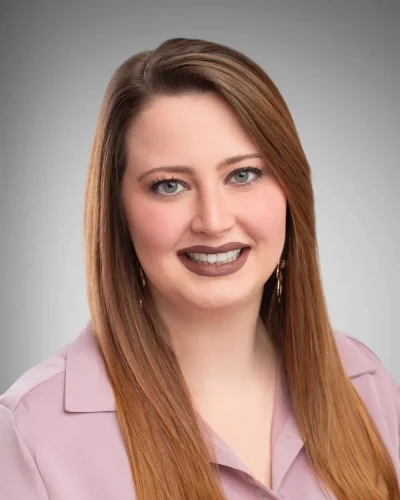
Summer Appleby, MA, LPC-MHSP, ATR
Education:
UT Martin, Bachelor of Fine Arts in Studio Art
Southern Illinois University Edwardsville, Masters of Art Therapy Counseling, Registered Art Therapist
Previous work experience:
United Health Services, Clinical Art Therapist
Connections Wellness Group, Art Therapist
Charlie Mental Health, Creative Arts Therapist
Embrace U, Program Therapist
Why did you choose to work with adolescents?
I struggled in my adolescent years myself, and through the positive adult relationships I made, I was able to overcome my adversities and strive within my family life, career and mental health goals. Now as a mental health professional, I want to be that positive adult relationship for other struggling adolescents to give a chance at a happier life.
What is something you’ve learned from your work with adolescents that has been your takeaway?
Adolescents are individuals. I feel that a lot of times, society may diminish the intelligence and the experience of a child, and through my work with these individuals, I have witnessed firsthand the innovation, empathy and growth that can come from each of their lives. I have learned that change can be for the better, and these young minds have some great ideas for that change.
Did you play sports or participate in any activities when you were younger?
I played basketball, softball, volleyball, and was in color guard through school. However, I was never great at any! I enjoyed choir and drama clubs more than sports.
What is one thing you wish adolescents understood about mental health?
I wish adolescents better understood that mental health is a work in progress. There is no final outcome. Life can throw lots of curveballs, and through those experiences come different challenges that may have never been there before. With each curveball comes new ideas for coping, navigating stress and finding happiness. One strategy that has worked in the past may not serve you now. It’s an ever-changing process.
If you could give your younger self a word of advice, what would it be?
Seeing others’ perspectives is key. It’s easy to focus on the negatives in your life because of the emotional attachment you have to each aspect. I would tell myself to try looking outward to others and their experiences at a younger age than when I started considering perspective. Serving others and being able to help has become a huge drive for my happiness, and I would have liked to have given some of that to younger me.
What are your favorite things to do outside of work?
You can find me at the local TJMaxx at any given time. I have a TJMaxx credit card and Lord knows I am not afraid to use it! If I am not there, I am most likely at weekly game night with my family or my daughter’s cheer and gymnastics practices. On the days I am at home, I am making art, drinking coffee most likely from Starbucks, and binge-watching Survivor.
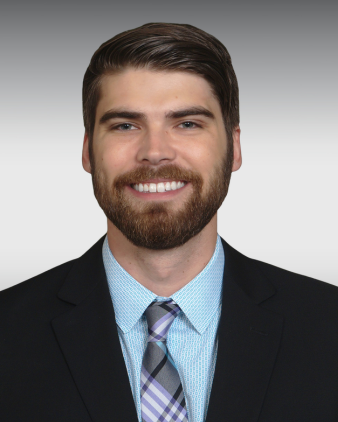
Zachary Demko, MD
Education:
-University of Florida: BS in Psychology with Minor in Spanish Language
-FIU Herbert Wertheim College of Medicine: Doctor of Medicine
-University of Colorado: General Psychiatry Residency
-Vanderbilt University: Child & Adolescent Psychiatry Fellowship
Why did you choose to work with adolescents?
I chose to work with adolescents so that I could focus on early interventions that set my patients up for long term success. My approach to psychiatric care focuses on holistically integrating treatments that address biological, psychological, and social determinants of health. My goal is not to seek a quick fix but to find interventions that promote lifelong mental wellness.
What is something you’ve learned from your work with adolescents that has been your takeaway?
Adolescents have a unique way that they view and connect with the world around them. They aren’t miniature adults and treatment can’t be approached as if they are. Using a developmental lens when approaching psychiatry helps provide better care for all patients, regardless of age
Did you play sports or participate in any activities when you were younger?
I played Basketball, Football, and Lacrosse. I also did a whole lot of skateboarding.
What is one thing you wish adolescents understood about mental health?
The providers who choose to work in this field do so because they very deeply care. There are times when it can feel like you are being pushed hard in therapy. It can feel challenging or overwhelming and still come from a place of genuine compassion
If you could give your younger self a word of advice, what would it be?
Proudly be your genuine self. If you are true to yourself, you will find yourself surrounded by the people who love the real you..
What are your favorite things to do outside of work?
Spend time with my wife and sons. Play guitar, video games, and Dungeons & Dragons. Watch a lot of New Jersey Devils hockey and go to as many concerts as I possibly can!
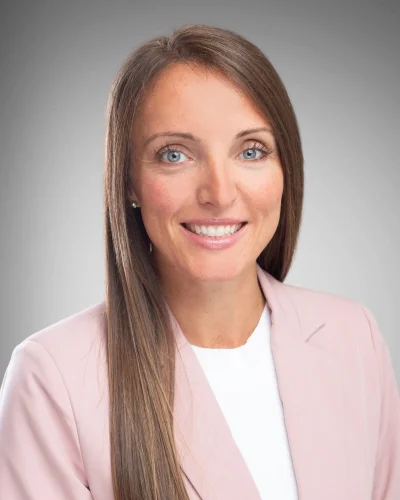
Nicole Stephan, BSW
Email: [email protected]
Education:
- Bachelor of Social Work- Middle Tennessee State University
Why did you choose to work with adolescents? As a social worker I always knew I wanted to work with children and families. I wanted to be able to provide families and children with the resources that would have benefited my family when I was a teenager.
What is one thing you wish adolescents knew about l health/treatment? That physical health and mental health are both very important. Learning how to care for your body (proper nutrition and exercise) and mind is something we should teach our children at a young age.
Did you participate in any activities growing up? What were they? Did you ever feel pressure/stress? Would group therapy have benefitted you/your peers? I was a cheerleader in middle and high school. I did feel pressure and stress from school, activities, and home life. Group therapy would have been beneficial because I would have been with people who felt or experienced similar feelings and issues. I would not have felt so alone and could have learned healthier coping skills.
Advice To My Younger Self: “Learn how to set healthy boundaries with people, to not worry so much about what other people think, and it’s okay to say no. I would also tell myself to stop eating double cheeseburgers from McDonalds, wear sunscreen, and wash my face before bed. “

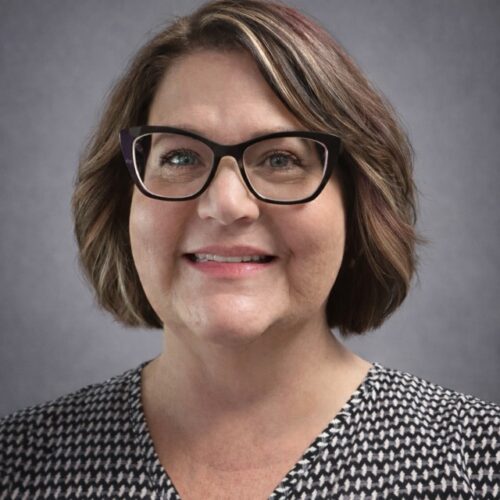
Sharon Jendras, APRN, PMHNP-C
Education:
I earned a Master of Science in Nursing with a focus in Leadership and Administration from Western Governors University. I later completed a Post-Master's Certificate as a Psychiatric Mental Health Nurse Practitioner through Herzing University.
Previous work experience.
I worked as a registered nurse for almost 30 years before pursuing my dream of becoming a PMHNP, with approximately half of my career spent in nursing leadership and administration. More than 25 years of my experience has been in behavioral health, primarily in acute care settings. Since 2018, I have worked for Psychiatric Medical Care (EmbraceU's parent company) as Program Director, where I helped establish two Intensive Outpatient Programs (IOPs) in Hartsville and Carthage, Tennessee.
Why did you choose to work with adolescents?
I chose to work with adolescents because these years are such an important time of growth and development. Early intervention can make a lifelong difference, and I enjoy helping young people build resilience and recognize their strengths before mental health challenges become lifelong barriers.
What is something you’ve learned from your work with adolescents that has been your takeaway?
One of the biggest lessons I've learned is that every adolescent wants to feel heard, understood, and accepted. When they know someone is genuinely listening without judgment, they're often more willing to open up, engage in treatment, and believe positive change is possible.
Did you play sports or participate in any activities when you were younger?
I took piano lessons for many years as a child and began playing piano for my church at the age of 16, a role I continue today. I also grew up on a century farm and spent much of my time riding ATVs.
What is one thing you wish adolescents understood about mental health?
I wish adolescents understood that asking for help is a sign of strength, not weakness. Mental health challenges are common, treatable, and nothing to be ashamed of. Reaching out early can make a tremendous difference and help prevent problems from becoming more overwhelming.
If you could give your younger self a word of advice, what would it be?
Some of the greatest growth comes from overcoming challenges rather than avoiding them. Take that travel nursing job! See the world! And most importantly, don't fret over simple things that will have no meaning in weeks, months, or years from now.
What are your favorite things to do outside of work?
Traveling is my favorite hobby. I especially enjoy going on cruises and experiencing different countries and cultures. My husband and I are also working toward our goal of visiting all 50 states. When I'm not traveling, I love to listen to audiobooks during my commute.
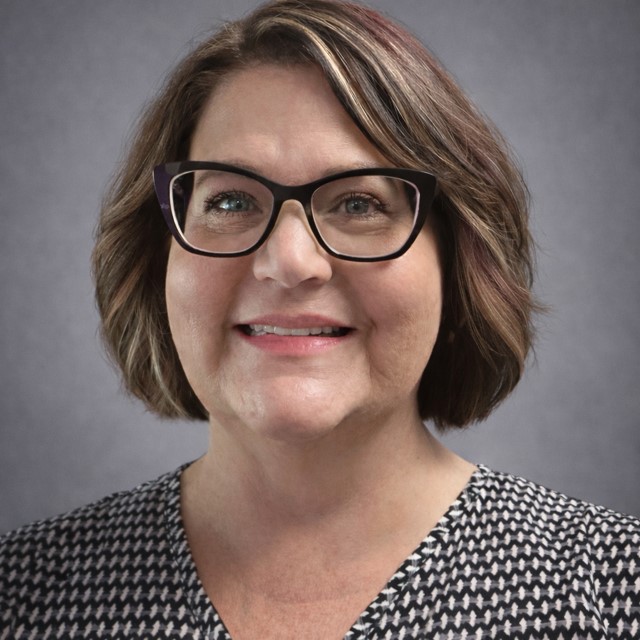

Amanda Paddon LMSW
Education:
University of Tennessee, Master of Science in Social Work
Previous work experience:
My journey began in 2014 with senior adults with intellectual disabilities in conjunction with other mental health disorders. In addition, I was working at a trauma-focused inpatient treatment for women and left to step into the role of site coordinator, working with adults and veterans with severe mental health struggles, and loved it. I spent 5 years in the role, and it was time for change. At that time, I was offered a position working with pregnant women experiencing opioid use disorder and that began the spark to work with children. Seeing the vast amounts of trauma that these women had experienced and then was a contributing factor in their addiction in addition to the ripple effect on their children. When I left that organization, my focus became on working with children and families, which began with Youth Villages, then suicide prevention with Centerstone, and lastly as a school-based therapist. All of which has led to my current role at Embrace U.
Why did you choose to work with adolescents?
Adolescents are so powerful and resilient if given the support and connection needed to see their light.
What is something you’ve learned from your work with adolescents that has been your takeaway?
We dramatically underestimate how amazing adolescents are and the wisdom that they carry.
Did you play sports or participate in any activities when you were younger?
Yes, I loved to dance, ballet, tap and currently Romani style belly dance. My sister and I were on the Atlanta Allstars baton twirling team for many years. I spent many years marching in parades and even twirled at Atlanta Hawks basketball games. I was on the student leadership as secretary and in Middle School was in the journalism club for the school newspaper. Another fun activity was going to Space Camp in the 8th grade.
What is one thing you wish adolescents understood about mental health?
More people struggle with their mental health than you realize. You do not have to walk through the darkness alone there are people who understand and are willing to help you, but you must speak up to receive support.
If you could give your younger self a word of advice, what would it be?
You are not alone.
What are your favorite things to do outside of work?
Outside of work you will find me befriending the local crows. In addition, to my crows friends I love to spend time in nature with my family, playing dungeons and dragons or other board games, hanging out at the pool, making weird art, drumming or belly dancing. When my social battery is dead you will find me reading or binge-watching Star Wars or other Sci-fi in pajamas.
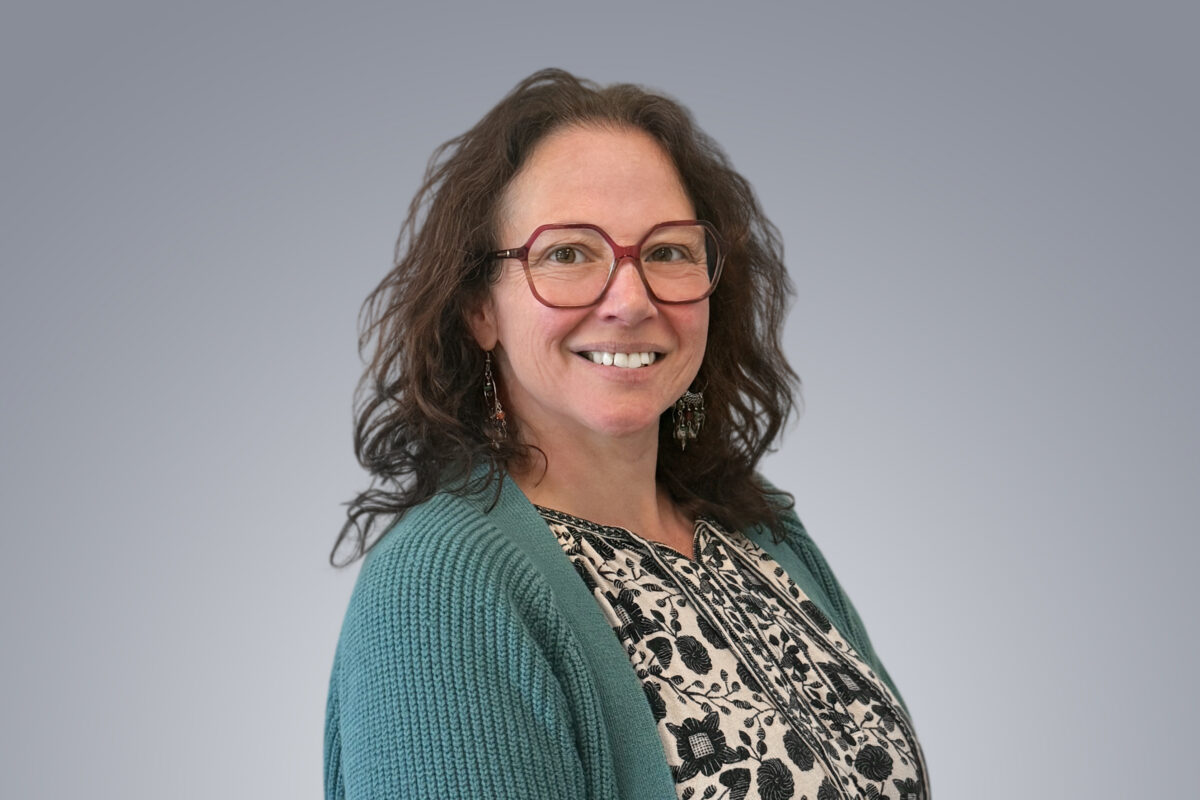

Jessie Keith
Education:
Liberty University-Bachelors in behavior health: Addiction and Recovery-currently
Volunteer State Community College-Associates of science: Sociology-Jan/2022-Dec/2025
Why did you choose to work with adolescents?
I want to make a difference in the life of young people. I know firsthand what struggling with mental health looks like. I want to help others the way I was helped.
What is something you’ve learned from your work with adolescents that has been your takeaway?
That we all experience bad days. I can remember being young and struggling with anxiety, thinking that was the worst time in my life and that things would never get better. I can see that same feeling of dread and hopelessness in many of the kids that come through our door. Being on the other side now I can see that the worst things I’ve been through are not forever. That’s what working with adolescents has taught me, to never give up on your worst days, to keep going. Because it will get better.
Did you play sports or participate in any activities when you were younger?
Music was always my thing! I joined the band in 7th grade playing percussion and was on the drumline throughout my high school years playing snare drum! I got my first drum set when I was 14 and picked up first guitar when I was 16 and I continue to play music to this day!
What is one thing you wish adolescents understood about mental health?
That being a kid is tough. Surviving school is tough. Figuring yourself out is tough. That if your struggling right now its ok. Things will be tough, and that’s ok, because it will get better. We all have bad days, we all have hard seasons. We all need a little help. What do I want adolescents to know about mental health? That is ok to not feel ok, that’s why we’re here to help!
If you could give your younger self a word of advice, what would it be?
Give. Yourself. Grace. You are human with flaws. You might take the long way around, but you’ll figure things out. There will be a lot of discouragement and doubt but don’t give up! Keep believing in yourself and the life you’ve always wanted because…I’ll tell you a secret…in the end, it all come true.
What are your favorite things to do outside of work?
I am a storyteller and a writer and that is my heart. I love to listen to them, I love to read them, I love to collect them, I love to write them, I love to share them. I published my first book back in 2022 and hope to publish many more!
I love family days with my wife, my children, and my dog. I love car jams and watching cartoons with my brother. I love game nights with my best friends. I love discovering new music. I love traveling. I love going to the movies. I love hiking and discovering new places. I love deep conversations and connecting with people and learning new things from each other. We’re not really strangers after all right?


Timothy Davis, LPN, ACC
Education:
University of Wyoming and Spencerian College. First degree was general education and second was nursing.
Why did you choose to work with adolescents?
I have a huge heart for helping children.
What is something you’ve learned from your work with adolescents that has been your takeaway?
We lose some of our greatest problem-solving abilities as we grow older!
Did you play sports or participate in any activities when you were younger?
Football and rodeo.
What is one thing you wish adolescents understood about mental health?
There is so much more to life to look forward to!
If you could give your younger self a word of advice, what would it be?
Just Breathe.
What are your favorite things to do outside of work?
Farm, and sing.

Contact Us
You don’t have to go through this alone.
Every journey to healing starts with a conversation. If your teen is struggling, our care team is here to listen and guide you toward the right support. Fill out our contact form today and take the first step toward hope and healing with Embrace U.