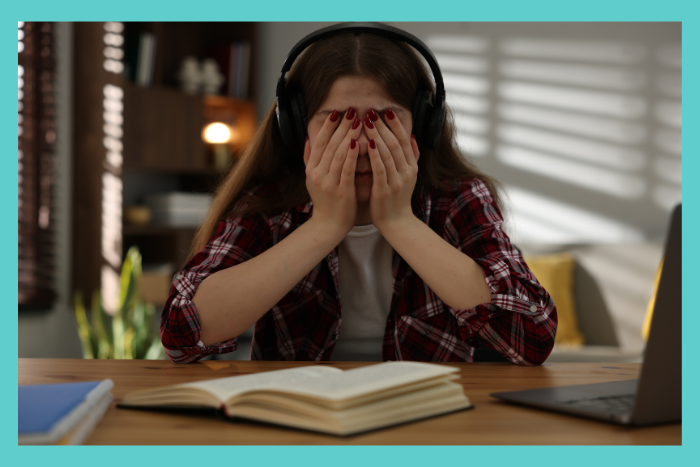


Self-esteem is how you feel about yourself — your sense of worth and value. It’s how you see yourself and how you believe others see you. Self-esteem is how much you believe in your own abilities. It can be like a mirror that reflects your thoughts, feelings and beliefs. Confidence, on the other hand, is the trust you have in your skills and talents. You can be confident in one area of your life, like in sports or academics, but struggle with self-esteem in other areas, like your appearance or social interactions.
Where do self-esteem and confidence come from?
Both self-esteem and confidence can come from a variety of sources, including:
- Upbringing — How your parents and caregivers have treated you through your childhood can have a significant impact on your self-esteem.
- Experiences — Positive experiences can help boost your confidence and self-esteem, while negative experiences can lower them.
- Social interactions — How you interact with others can affect how you feel about yourself.
- Self-talk — The thoughts and messages you send yourself can have a powerful influence on your self-esteem.
What can affect your self-esteem and confidence?
Many things can affect your self-esteem and confidence, for example:
- Peer pressure — As a teenager, you’re at a stage where your friends and social circles mean a lot. Feeling pressured to fit in can lower your self-esteem.
- Social media — Constantly comparing yourself to others on social media can make you feel inadequate and lower your self-esteem.
- Body image — Having a negative body image can have a significant impact on your self-esteem and confidence. It’s important to recognize that beauty comes in many forms and everyone is unique.
- Academic challenges — Struggling in school can have an effect on your self-esteem, especially if you’re used to being a high achiever.
- Bullying — Being bullied can damage your self-esteem and make it harder for you to believe in yourself.
- Personal struggles — Dealing with personal struggles, such as a breakup or a loss, can temporarily cause your self-esteem to take a hit.
- Family influences — Your family plays a big role in shaping your self-esteem. Supportive and encouraging family members can help boost your confidence, while negative comments or comparisons can make it go down.
The good news is that there are things you can do to help improve both!
What to do if your self-esteem is low
If you’re feeling low in your self-esteem, know that you’re not alone. Here are eight steps you can take to help boost your self-esteem and confidence:
- Limit social media — If social media is making you feel bad about yourself, consider taking a break or unfollowing accounts that have triggered your negative feelings. Instead, follow positive, uplifting accounts that promote self-love and acceptance.
- Practice self-compassion — Be kind to yourself! Treat yourself as you would treat a friend going through the same thing. If you make a mistake or face a setback, remind yourself that it’s OK not to be perfect. Everyone experiences struggles, and showing yourself kindness can make a big difference.
- Do an activity you love — Doing things you enjoy can sometimes help you feel more confident and fulfilled. Whether it’s a hobby, sport or creative pursuit, find time to do activities that make you happy.
- Set realistic goals — Setting achievable goals can help you feel a sense of accomplishment. Start with small goals and work your way up. Whether it’s working to improve a skill, finishing a project or even making time to do something fun, celebrating your small victories and accomplishments can really boost your confidence.
- Surround yourself with positive people — Spend time with friends and family who lift you up and encourage you. Positive relationships can boost your self-esteem. If you find yourself around people who are bringing you down, you may want to consider distancing yourself from that negativity.
- Take care of your body — Physical health can affect your mental health. Make sure you eat a balanced and nutritious diet, do regular exercise, and get enough quality sleep. When you take care of your body, it can help boost your mood and self-esteem.
- Challenge negative thoughts — Pay attention to how you talk to yourself. If you find yourself thinking negative thoughts, challenge them. Ask yourself if those thoughts are true. If they’re not, replace them with positive affirmations. For example, if you find yourself thinking, “I’m terrible at this,” try telling yourself, “I’m not good at this yet, but I’m learning and getting better.”
- Seek help if needed — If you find yourself continuing to struggle with your self-esteem and confidence, consider talking to a trusted adult or a mental health professional like a therapist. A therapist can provide you with support and guidance to help you work through your feelings and identify any underlying issues.
Boosting your self-esteem and confidence is a journey, and it’s OK to take your time. Everyone has ups and downs, and you’re not alone in this. Take the first step today, and know that with time and effort, you can learn to love and appreciate yourself for who you are.
Embrace U can help teens find their strength and self-worth
At Embrace U, we understand that overcoming struggles with low self-esteem and confidence issues can be a challenging journey for teens. We’re here to help you navigate these unique challenges with empathy and support. Our personalized outpatient treatment programs are tailored specifically to meet the needs of adolescents and teenagers who need additional support than what traditional therapy sessions can provide. We provide you with a safe space to explore your feelings, build your self-worth and develop your confidence. You don’t have to face these struggles alone. Together, we can help you find your strength and embrace the person you’re meant to be.
Contact our team today for more information or to schedule an initial appointment.