

Outpatient Mental Health for Adolescents & Teens in Collierville, TN
Finding the right mental health treatment for your child can feel difficult and overwhelming. Embrace U’s intensive outpatient mental health programs for adolescents and teens in Collierville, TN offer life-changing treatment.
We help adolescents (ages 10 to 18) who are experiencing:
- Severe symptoms of anxiety or depression
- Behavioral health challenges, including anger management issues, bipolar disorder, self-harm, or suicidal thoughts
- Neurodivergent mental health challenges
Our structured programs provide more support than a traditional therapist, but are less disruptive than a hospital stay or residential center. We also provide more parent support than other treatment centers.
Within our welcoming and safe environment, your child can develop the skills and coping mechanisms they need to manage symptoms, gain higher levels of function, and live a healthier life.
Call us at 855-388-4325 today to request a free mental health assessment!
How Embrace U Works
Reach out
Call our care team to learn more about Embrace U programs, insurance coverage, and answer any other questions you may have.
Get your free assessment
Come in for a free assessment. In a 60-minute session, we’ll review your child's unique needs and find the treatment program that’s right for them.
Life-changing treatment
Our evidence-based treatment programs set participants and their families up for long-term success. Learn more about our programs below.
What Is Embrace U?
Embrace U is an evidence-based, outpatient therapy provider designed to help people ages 10-18 gain control over the symptoms of a mental illness.
The Embrace U care team includes a board-certified child and adolescent psychiatrist, a psychiatric nurse practitioner, licensed therapists, and registered nurses.
Our adolescent mental health clinics in Brentwood, Collierville, Chattanooga, Knoxville and Mt. Juliet offer life-changing treatment. Participants and their families gain the support they need through group experiences and structured individual and family therapy. Our therapy programs help adolescents develop coping skills, stronger self-esteem, and better ways to communicate.
Request Free Assessment
Embrace U
99 Market Center Dr., Suite 5
Collierville, TN 38017
855-388-4325
Located off W. Poplar Avenue, Embrace U’s Collierville location provides an oasis to families seeking help for children and teens with mental health challenges.
Our Memphis-area mental health clinic has clean, modern feel, with bright, open spaces for group therapy sessions, private rooms for individual meetings, and a snack area. Our neurodivergent group room accommodates different sensory needs, learning styles, and communication preferences. You’ll find participant artwork covering many walls, along with comfortable couches and chairs.
Our services include intensive outpatient programs for teens and adolescent partial hospitalization programs.
Our Programs: Intensive Outpatient & Partial Hospitalization
We offer two structured programs for children and teens ages 10 to 18: intensive outpatient and partial hospitalization.
Participants in our intensive outpatient program (IOP) typically come to the clinic three or four times a week for group and individual therapy sessions. Our partial hospitalization program (PHP) offers more support. Participants in PHP visit us four or five times a week for longer therapy and individual sessions.
While your child’s treatment time may vary based on their unique goals and needs, the majority of participants attend our programs for six to eight weeks. Most start feeling better within two weeks of treatment, and experience lasting recovery after completing a program.
Our intake process includes:
- Determining your child’s diagnosis and treatment needs through a free psychiatric assessment.
- Discussing treatment goals and developing a plan specific to your family’s needs.
- Enrolling your child in one of our two programs (IOP or PHP) that combine group and individual therapy with medication management and family counseling. Our team includes psychiatric providers, licensed therapists, and a care coordinator.
- Providing ongoing support after program completion.
At Embrace U, your child can develop the skills and confidence they need to live happier and healthier. Call us at 855-388-4325 today to request a free mental health assessment!


Mental Health Symptoms We Treat
Our outpatient mental health programs for teens and adolescents in Collierville, TN can help with:
- Anger management concerns
- Anxiety
- Bipolar disorders
- Blended family issues
- Family and relationship issues
- Grief and loss
- Isolating behaviors
- Poor body image
- Post-traumatic stress disorders
- Psychiatric disorders
- School avoidance
- Self-esteem issues
- Self-harm behaviors and thoughts
- Stress management issues
- Suicidal thoughts
Our neurodivergent program treats adolescents who experience the symptoms and conditions above, but also live with:
- ADHD
- ADD
- Autism Spectrum Disorder
- OCD
- Tourette Syndrome
- Dyslexia, Dyscalculia
- Other learning differences
Our Programs
Embrace U offers two programs to help adolescents build coping and communication skills – Intensive Outpatient (IOP) or Partial Hospitalization (PHP), after an assessment by our psychiatric provider, your child will be admitted into one of our therapy programs based on their needs.
Partial Hospitalization Program (PHP) 20+ Hours per Week
Intensive Outpatient Program (IOP) 10+ Hours per Week
Best for Adolescents Who:
- Miss school or extracurricular activities due to symptoms
- Experience physical symptoms such as stomach aches, nausea, headaches or unexplained pain
-
Recently visited an emergency room or
completed inpatient treatment
Best for Adolescents Who:
- Need more intensive treatment than one-on-one therapy
- Haven’t seen symptom improvement in regular care
- Were referred to IOP by a provider
What to Expect
- 5 days per week M-F
- 1-2 hours of education & therapeutic assignments
- 3 hours of group therapy daily
- Weekly individual or family therapy
- Weekly psychiatric nurse check-ins
What to Expect
- 3 to 5 days per week (M-F)
- Group therapy focused on coping skills
- Bi-weekly individual or family therapy
- Monthly psychiatric nurse check-ins
Our Programs
Embrace U offers two programs to help adolescents build coping and communication skills – Intensive Outpatient (IOP) or Partial Hospitalization (PHP), after an assessment by our psychiatric provider, your child will be admitted into one of our therapy programs based on their needs.
Partial Hospitalization Program (PHP) 20+ Hours per Week
Best for Adolescents Who:
- Miss school or extracurricular activities due to symptoms
- Experience physical symptoms such as stomach aches, nausea, headaches or unexplained pain
- Recently visited an emergency room or completed inpatient treatment
What to Expect
- 5 days per week M-F
- 1-2 hours of education & therapeutic assignments
- 3 hours of group therapy daily
- Weekly individual or family therapy
- Weekly psychiatric nurse check-ins
Intensive Outpatient Program (IOP) 10+ Hours per Week
Best for Adolescents Who:
- Need more intensive treatment than one-on-one therapy
- Haven’t seen symptom improvement in regular care
- Were referred to IOP by a provider
What to Expect
- 3 to 5 days per week (M-F)
- Group therapy focused on coping skills
- Bi-weekly individual or family therapy
- Monthly psychiatric nurse check-ins
FAQs
We provide intensive outpatient therapy programs designed to reduce symptoms of depression, anxiety, and other mental health challenges quickly and effectively. Depending on your child’s needs, they can be admitted into our intensive outpatient program (IOP) or partial hospitalization program (PHP). Both programs are held during the day at our clinic.
Partial hospitalization programs (PHP) act as a short-term, intensive option for teens who:
- Have severe mental health symptoms interfering with school and daily life
- Need a higher level of support than a traditional outpatient program
- Are ready to leave an inpatient facility
- Need an alternative to hospitalization or lengthy hospital stays
PHPs for teens help ease the transition back to daily life by balancing mental health and school assignments. Upon completion, your child can continue to participate in outpatient treatment as they return to school.
Intensive outpatient programs (IOP) are for teens who need to develop coping skills as they work through mental health challenges. Adolescent IOPs are ideal for those who:
- Need more intensive support than regular therapy, but less than a PHP or inpatient program
- Want to receive treatment after school and then return home every night to live life as normal
Costs range depending on the level of treatment your child needs, but most insurance plans cover mental health treatment.
We accept most major insurance plans. Call us at 423-769-7191 to verify coverage.
We offer self-pay options and can discuss sliding scale fees or other financial resources during your initial consultation.
No. Referrals aren’t required. Please contact us at 423-769-7191 to learn more about your specific needs.
If you’ve noticed major, long-lasting changes in your child’s mood, behavior or academic performance, getting professional help can make a big difference.
Some common symptoms include:
- Refusing to attend school
- Difficulty concentrating
- Changes in mood/behavior
- Changes in sleep patterns
- Changes in eating habits
- Loss of interest in activities
- Difficulty managing emotions
- Isolation, withdrawing from relationships
- Risky behaviors
- Self-harm
- Poor academic performance
- Frequent headaches, stomach pain
It’s common for adolescents and teens to resist treatment at first, but our team is skilled in helping them feel comfortable and willing to participate.
There’s no set schedule for our adolescent mental health services. Instead, treatment is determined by your child’s diagnosis, their symptoms, their goals and how well they’re responding. Most Embrace U participants report significant symptom reduction within six weeks of starting our programs, but each child is unique and may require more or less treatment.
We recommend you and your child complete the full program to learn all the skills we teach.
We check in with your child frequently to keep track of how they’re doing and their progress. We’ll also meet with you to discuss how treatment is going, and make adjustments as necessary. By working closely with you and other people involved in your child’s care, we make sure we’re considering all the best ways to help.
To help teens transition smoothly after treatment, Embrace U offers aftercare plans, check-in appointments, and referrals to additional resources as needed.
Our process begins with a free mental health assessment. You can schedule an appointment by calling our office at 423-769-7191 or completing our contact form.
MEET OUR COLLIERVILLE TEAM

Alyssa Sebastian, MA, LPC-MHSP
Advice To My Younger Self: “In any given moment we have two options: to step forward into growth or step back into safety.” -Abraham Maslow
Education:
- Trevecca Nazarene University – Master of Arts, Mental Health
- Tennessee Tech University – Bachelor of Science in Psychology
Experience: Prior to becoming Embrace U’s Tennessee regional director, Alyssa was a program administrator at Embrace U in Mt. Juliet. Before joining Embrace U, Alyssa was the executive director at Connections Wellness Group (Vertava Health) in Nashville, TN. She is trained in EMDR, including a wide range of trauma-focused interventions. She is a licensed professional counselor and mental health service provider.
Why did you choose to work with adolescents? “I wanted to expand my experience to working with adolescents to be well versed in helping a wide variety of populations. After making this career shift, I learned that I enjoy working with adolescents, as well as the whole family unit. I have always had a passion for helping those in need.”
What is something you’ve learned from your work with adolescents that has been a key takeaway? “Adolescents need someone there for them too. I am the type of leader that likes to give all patients a chance, regardless of their history. It doesn’t matter if they have a history of multiple treatments or behavioral problems. I want to make sure everyone is given a chance to start fresh and be the best they can be. Everyone deserves that.”
Did you play sports or participate in any activities when you were younger? “I played French Horn in my high school band during concert season. When it was marching season, you could either find me with a flag on the color guard or holding a Mellophone with the rest of the instruments. I spent every summer on Dale Hollow Lake with friends and family.”
What is one thing you wish adolescents understood about mental health? “It is okay not to be okay. It is okay to ask for help, even if you are embarrassed to do so. We are here to help with no judgement. This season in your life isn’t forever..”
What are your favorite things to do outside of work? “I mostly enjoy spending time with my husband, daughter, and Golden Retriever (Winston). They are my world. It doesn’t matter what we are doing if we are all together.”


Alexandra Thompson-Norman
Education: University of Memphis BSc. Ed; Union University Master Social Work; Freed-Hardeman University Doctor of Behavioral Health
Previous work experience: Executive Director, Clinical Director, Licensed Clinical Social Worker; Crisis Clinical Supervisor
Why did you choose to work with adolescents?
I chose to work with Adolescents because this stage of life is where identity, emotional patterns, and relational beliefs are still being formed and meaningful support doing this time can change the course of a young person's life.
What is something you’ve learned from your work with adolescents that has been your takeaway?
I've learned that behavior is often communication, not defiance when adolescents feel misunderstood, unhealed, or overwhelmed, their emotions tend to come out through withdrawal, anger, avoidance, or risk taking rather than words. Doing this work has shown me that when adults slow down enough to understand the meaning behind the behavior, real change becomes possible.
Did you play sports or participate in any activities when you were younger?
Growing up, I was drawn to the arts, creativity, and expressive activities which likely helped to develop an appreciation for individuality, self-expression and nontraditional ways of processing emotions. Adolescents who don't always fit into competitive and performance-based spaces often need someone who understands that identity and confidence can be built outside of sports or typical social hierarchies.
What is one thing you wish adolescents understood about mental health?
Your feelings are real, but they are not permanent, and they don't define who you are.
If you could give your younger self a word of advice, what would it be?
Trust the process of becoming rather than rushing to meet expectations of others.
What are your favorite things to do outside of work?
Quiet and restorative activities, e.g. beach, reading and writing


Rakesh Patel, MD, FACP, FAPA

Billie Snow
Education: Bachelor of Science in Psychology from The University of Tennessee at Martin; Master of Arts in Teaching from The University of Memphis
Previous work experience: I am a former secondary classroom teacher for the city schools in Memphis and a former Adjunct Career College Instructor in the Memphis area. I taught History, Psychology, and Sociology. I have 15 years of experience in behavioral health business development and community relations. My business development experience has been with two local Memphis acute care psychiatric facilities and an addiction treatment care facility. I also have three years of experience as a provider engagement specialist in managed care.
Why did you choose to work with adolescents?
I choose to work with adolescents because I am drawn to their growth and potential. It is rewarding to help adolescents discover their strengths.
What is something you’ve learned from your work with adolescents that has been your takeaway?
Adolescents tend to be direct, curious, and passionate about something. Exploring what adolescents are passionate about makes the work meaningful and dynamic.
Did you play sports or participate in any activities when you were younger?
I was a cheerleader in middle school and high school. I played softball from age 5-18. I was an avid swimmer in college.
What is one thing you wish adolescents understood about mental health?
I wish adolescents would try to understand that is okay to ask for help and accept help when they are experiencing a mental health crisis.
If you could give your younger self a word of advice, what would it be?
I would tell my younger self to join the military reserves after completing my bachelor’s and get the master’s in psychology instead of teaching.
What are your favorite things to do outside of work?
I enjoy traveling to different places, going to the YMCA to work out, shopping for consignment and vintage clothing, volunteering with non-profit cat rescues, and judging barbecue contests.

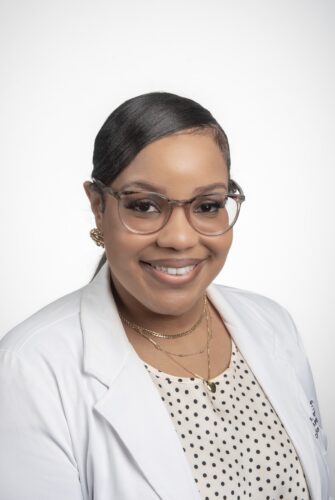
Robin Gordon, APRN, DNP, PMHNP-BC
Education: I obtained my degree in Doctor of Nursing Practice with a specialization in Psychiatry from the University of Tennessee Health Science Center in Memphis, Tennessee. Additionally, I earned my Bachelor of Science in Nursing from Baptist College of Health Sciences, also in Memphis, Tennessee
Previous work experience: I gained extensive experience across various areas of nursing. This includes serving as a Registered Nurse on the Intensive Care Unit-Stepdown at Baptist DeSoto Hospital in Southaven, MS, and as a Case Manager/Registered Nurse at Baptist Home Health and Hospice in Southaven, MS. Additionally, I have worked as a Mental Health Registered Nurse at Crestwyn Behavioral Health Hospital and as a House Supervisor/Registered Nurse at Perimeter Behavioral Hospital, where I specialized in pediatric and adolescent behavioral health
Why did you choose to work with adolescents?
Because I am passionate about supporting young people during a critical stage of their development. Adolescence is a time of significant emotional, psychological, and physical change, and I wanted to be in a position where I could make a positive, lasting impact on their mental health and well-being. Working with this age group allows me to help address challenges early, guiding them toward healthier coping strategies and providing the necessary resources to build a strong foundation for their future
What is something you’ve learned from your work with adolescents that has been your takeaway?
One of the key takeaways from my work with adolescents has been the importance of building trust and creating a safe, supportive environment. Adolescents often struggle with expressing their emotions and may be hesitant to seek help, so establishing open communication and understanding is crucial. I’ve learned that active listening, empathy, and patience can go a long way in fostering a connection and helping them navigate their challenges. Additionally, I’ve come to realize how vital early intervention is in shaping positive outcomes and empowering adolescents to develop healthier coping mechanisms and a better sense of self.
Did you play sports or participate in any activities when you were younger?
I participated in fast-pitch softball, demonstrating teamwork, discipline, and athleticism. Additionally, I played the clarinet from middle school through high school, performing in both marching band and symphonic band during concert season
What is one thing you wish adolescents understood about mental health?
One thing I wish adolescents understood about mental health is that it’s just as important as physical health, and seeking help is a sign of strength, not weakness. Mental health challenges are common and can affect anyone, regardless of age or background. It’s crucial to understand that taking care of your mental health—whether through therapy, support systems, or self-care practices—is essential for overall well-being. Just as you would see a doctor for a physical injury, reaching out for support when you're struggling emotionally is an important step toward healing and growth.
If you could give your younger self a word of advice, what would it be?
It would be to trust the journey and embrace growth through challenges. It's easy to get caught up in wanting immediate answers or fearing setbacks, but each experience, whether positive or difficult, offers valuable lessons that contribute to personal and professional growth. Patience with myself, and the confidence to pursue my passions without fear of failure, would have helped me navigate obstacles with more ease and clarity
What are your favorite things to do outside of work?
Outside of work, I enjoy spending quality time with my family, as they provide a strong support system and help keep me grounded. I also love to prioritize self-care to maintain peace and mental well-being amidst a busy lifestyle, whether that’s through meditation, exercise, or simply taking time to relax. Giving back to the community is also a passion of mine, as I believe in the power of making a positive impact. Traveling allows me to explore new cultures and gain fresh perspectives, while learning new things—whether through reading, attending workshops, or engaging in new experiences.
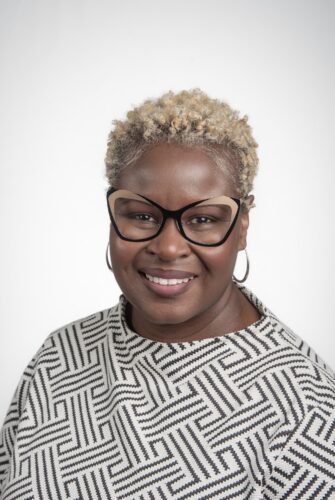
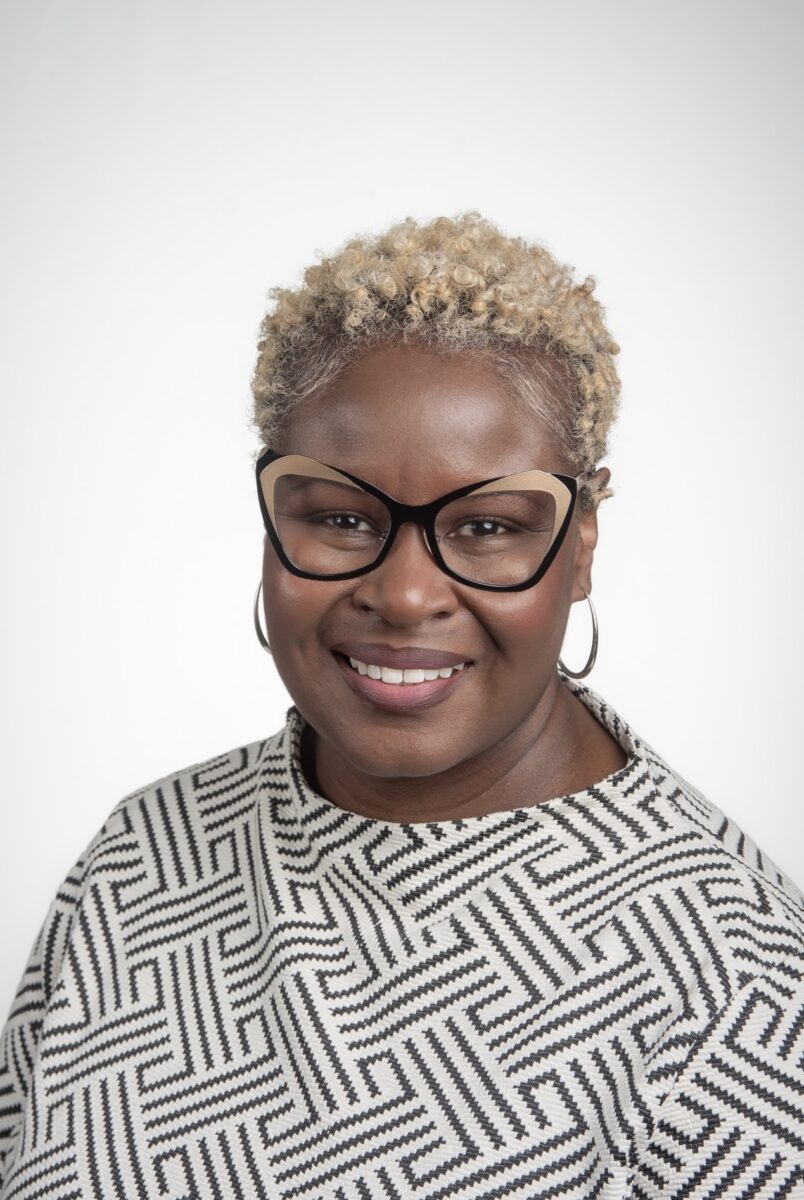
Ernista Worrell, LMSW
Education: The University of Memphis- B.A. in Psychology; Union University- Master Social Work
Previous work experience: Memphis, TN -United HealthCare: support Coordinator- working with individuals who have an Intellectual or Developmental disability. Memphis, TN Connection Wellness Group- Group Therapist working with adolescents providing group and individual psychotherapy
Why did you choose to work with adolescents?
I choose to work with adolescents because I believe in the power of being seen, heard, and understood, especially during the years when so many young people feel invisible. I remember how formative adolescence can be, and I feel called to be a steady, compassionate presence during that time. I’m passionate about raising awareness and providing education around behavioral health, because I know how critical it is for adolescents to understand their emotions and have the language to express them. I want them to know that their mental health matters, and that seeking support is a strength, not a weakness.
What is something you’ve learned from your work with adolescents that has been your takeaway?
I strive to create a safe, nonjudgmental space where young people can explore their feelings, ask hard questions, and begin to trust themselves. I listen deeply, not just to what is said, but to what is felt beneath the surface. When an adolescent feels unseen, I do everything I can to help them feel visible, valued, and validated.
Ultimately, I do this work because I believe in the potential of every young person. I want them to know they are not alone. I want to walk beside them as they navigate the complexities of growing up, offering guidance, empathy, and hope along the way.
Did you play sports or participate in any activities when you were younger?
I was a cheerleader in middle school.
If you could give your younger self a word of advice, what would it be?
I would tell my younger self to enjoy life more and consider all opportunities that allow you to grow.
What are your favorite things to do outside of work?
Outside of work, I enjoy traveling, shopping, visiting different restaurants, and indulging in self-care.

Leah Gray, LMSW
Education: I attended the University of Saint Francis – Joliet, located in Joliet, Illinois. I currently hold an MSW with a concentration on trauma-focused interventions and client centered approach. I was previously employed with Connections Wellness Group as an Individual Therapist, later transitioning to Virtual IOP Group Therapist. I also provide individual therapy with a local private practice in Memphis. I currently hold an LMSW, under current supervision towards clinical licensure.
Previous work experience: I am originally from the southside of Chicago, where I previously held positions within various nonprofits throughout the Chicagoland area and surrounding suburbs managing (contractual compliance) and designing programming for youth development, school age, early learning (Head Start and Early Head Start, and USDA funded food programs.
Why did you choose to work with adolescents?
At a time when youth often feel alone and unsure of themselves, it is important for them to know that they are seen and have a safe place to be heard and cared for.
What is something you’ve learned from your work with adolescents that has been your takeaway?
Working with youth, I have learned that at the end of the day, they are still children who need and deserve continued nurturing as they navigate discovering who they are.
Did you play sports or participate in any activities when you were younger?
As a youth, I didn’t play sports but was an avid reader and enjoyed being outside.
What is one thing you wish adolescents understood about mental health?
That they are not alone.
If you could give your younger self a word of advice, what would it be?
“You are capable and able to do great things.”
What are your favorite things to do outside of work?
Be quiet.
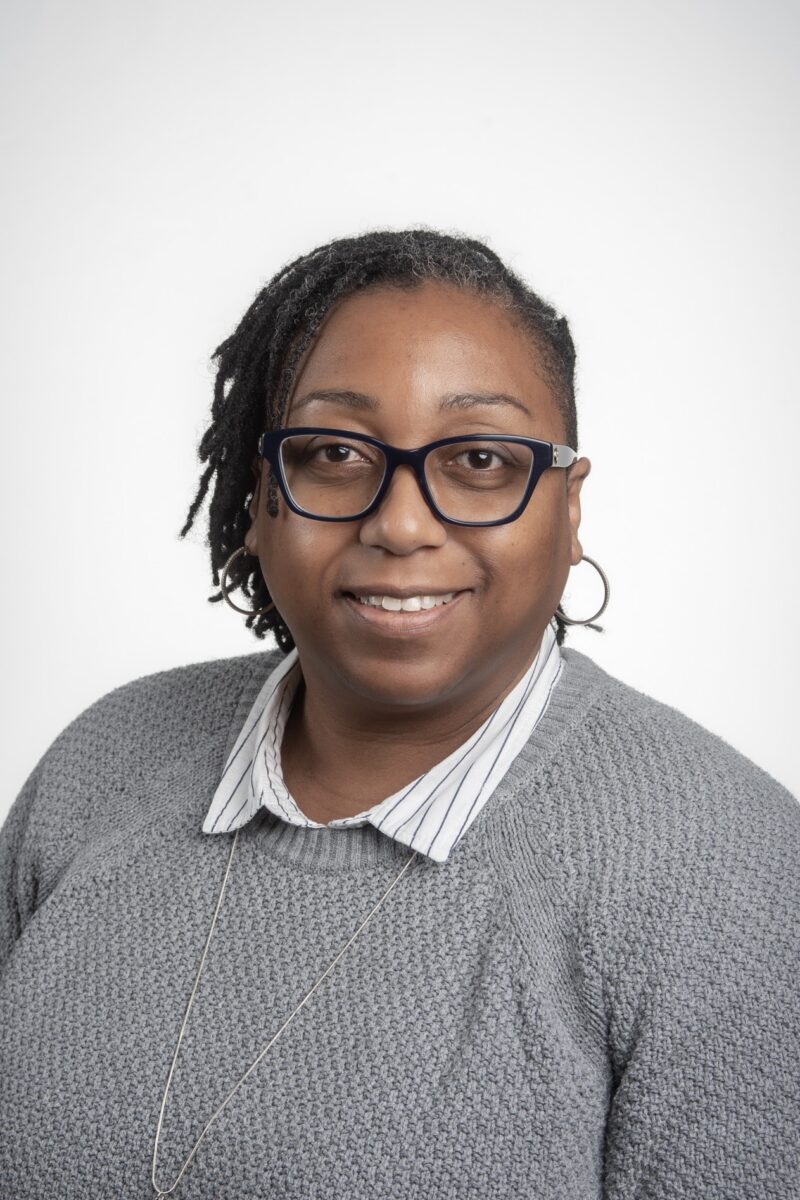

Gwendolyn Fortineaux, NCC, LPC (applicant)
Education: Mississippi State University - Bachelors in Psychology Mississippi State University - Masters in Counselor Education
Previous work experience: Mental Health Therapist at Health Connect America in Senatobia, Ms. Roles: Therapeutic day treatment group, Individual therapy, and family therapy.
Why did you choose to work with adolescents?
I chose to work with adolescents because they genuinely teach me something new every day. They see the world in ways I might not think about as an adult, and their perspectives always keep me curious and growing. Once trust is built, they’re thoughtful, honest, and willing to show up in really meaningful ways. I’ve found that teens value the therapeutic relationship more than they often get credit for. And honestly they make me laugh. Their humor and authenticity bring so much joy into the work, and that’s a big part of why I love what I do.
What is something you’ve learned from your work with adolescents that has been your takeaway?
My main takeaway from working with adolescents is that consistency and authenticity go a long way. Through both my successes with them and the moments I’ve felt like I missed the mark, one thing has stayed true, when I show up consistently and authentically, the relationship becomes stronger.
Did you play sports or participate in any activities when you were younger?
I ran track, played in the band, sang in the choir and did competitive cheerleading when I was in highschool and middle school.
What is one thing you wish adolescents understood about mental health?
One thing I wish adolescents understood about mental health is that the goal isn’t to completely get rid of anxiety, depression, or other difficult feelings. The goal is to learn how to live alongside them, how to understand them, manage them, and keep them from becoming overwhelming. These feelings exist for a reason, and even when they show up, we can still build meaningful, productive lives


Emily Miller
Education: Institution attended, degree, training, etc.
University of Memphis Bachelor of Arts in English, Literature
Previous work experience: I worked previously as a teacher’s assistant and as a personal assistant to individuals with disabilities.
Why did you choose to work with adolescents?
I have always had a passion for working with adolescents. One of my personal values is to be a safe adult for these young people during such pivotal time in development with so much uncertainty.
What is something you’ve learned from your work with adolescents that has been your takeaway?
You never stop learning; education is forever. Working with young people is a gift that keeps on giving.
Did you play sports or participate in any activities when you were younger?
I am far from an athlete, but participated in more artistic activities. I was in my high school’s newspaper and literary magazine. I'm so grateful for those creative outlets even into my adult life.
What is one thing you wish adolescents understood about mental health?
That they are never alone. In a world so focused on individualism, it’s easy to feel like you’re the only one battling something. There is always someone like you who’s on the same journey— and it feels so good to connect with those people.
If you could give your younger self a word of advice, what would it be?
Keep trying, even if things or hard or you’re not inherently good at it, keep on trying. You can learn anything with practice.
What are your favorite things to do outside of work?
I love cooking, traveling, reading, writing and spending time with my husband and my twin daughters.

Contact Us
You don’t have to go through this alone.
Every journey to healing starts with a conversation. If your teen is struggling, our care team is here to listen and guide you toward the right support. Fill out our contact form today and take the first step toward hope and healing with Embrace U.