

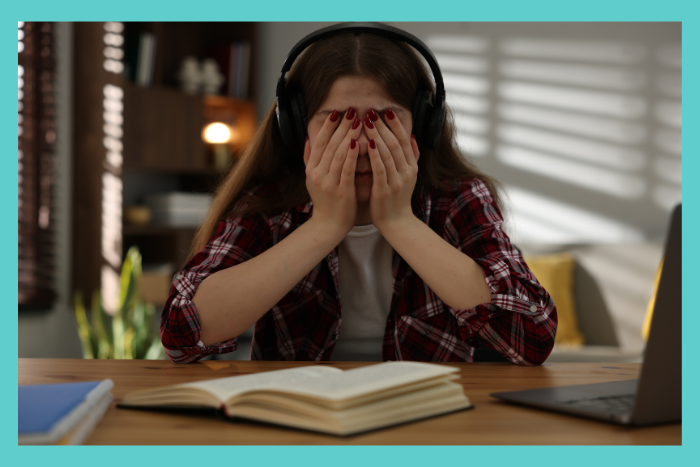
The start of a new school year in Tennessee brings change for almost every adolescent. Even confident, outgoing teens and pre-teens can become more emotional, irritable, or anxious before school starts. For parents, it can be difficult to know if their child’s behavior is normal back-to-school nerves or the sign of something more serious. The good news is that most school-related stress is completely normal, but it’s important to recognize when it isn’t. This article can help parents understand when they need to seek treatment.
What “Normal” Back-to-School Stress Can Look Like
Most Tennessee schools start in early August, when the summer heat is reaching it’s peak. The start of the new school year approaches fast, and it’s normal for your child to feel stressed, nervous, or even sad about summer ending. Being able to decipher between what can be classified as typical versus something that requires extra support is important.
It is completely normal for your teen or pre-teen to feel nervous about going back to school, meeting their new teachers, and getting the hang of their class schedules. If your child is starting their first year at middle or high school, it can be especially nerve-wracking if they don’t feel well acquainted with the school’s layout too. It’s natural to be worried about all the new changes a new school year and routine brings. It can be expected for your child to have mild changes in their sleep a week leading up to school starting again. Feeling butterflies or being quieter than usual is also a normal occurrence as we get closer to the first day.
Why Back-to-School Can Feel So Big
After spending the summer resting and relaxing, not doing homework, or having to navigate various social situations that pop up in school hallways, getting pulled back into the hustle and bustle of school life can feel overwhelming for any adolescent. From new class schedule and classmates, to meeting academic expectations and participating in sports and extracurricular activities, the readjustment to the school routine after a few months off can be tough. Keep in mind that an adolescent’s mind is still developing so their emotions may feel bigger or more intense.
When Stress May Be More Than “Just Nerves”
But how can you tell if your child is experiencing more than nerves or first day jitters? Experiencing persistent symptoms, whether emotional, physical, and/or behavioral, can be an indication that your child is struggling with their mental health and deserves attention.
Some symptoms that can be present with a struggling adolescent include worrying constantly, crying frequently, feeling hopeless, or even being irritable for extended period of time. They may experience physical symptoms like headaches, stomachaches, trouble sleeping, or even changes in appetite. They can also have changes in their behavior like refusing to go to school, unexpected panic attacks, isolation from their friends, losing interest in activities they once loved, declining grades, increased anger, or difficulty concentrating. If any of these symptoms continue for several weeks or interfere with everyday life, it’s time to seek support.
Embrace U’s mental health clinics can help parents determine what kind of treatment may be needed. Our admissions team, which is available until 9 p.m. can answer questions about the care we offer, and help connect you with resources across Tennessee that may be more appropriate for your current situation.
What Parents Can Do at Home
So how can you help if you notice your child is struggling? First things first, validate them and let them know that it’s ok to feel nervous.
“The transition back to school and other changes in routine can be especially challenging for adolescents who already struggle with anxiety or depression. Even if a situation doesn’t seem particularly stressful from an adult’s perspective, it may feel extremely overwhelming to a pre-teen or teenager. Validating goes a long way,” said Anne Claire Ballinger, an Embrace U therapist.
Other great ways to help your child is by sticking to routines, such as consistent bedtimes, predictable mornings, and regular meals. If you have more than one child, avoid comparing their first day of school jitters because every child handle transition differently. Rather than fixing their problems, you can try active listening.
“Sometimes adolescents simply need a compassionate listener. As a parent, the natural instinct is often to solve problems or offer immediate solutions, but what many teens or pre-teens need most is someone to listen to them without judgement. Listening first can help them feel understood and supported,” said Ballinger.
When It Might Be Time to Reach Out
If you’ve tried supporting your child through these measures and their back-to-school stress is still noticeably debilitating, then it might be time to reach out for some support. If your child’s anxiety and stress levels keep them from attending school and their stress levels haven’t improved after a few weeks, it’s time to reach out. If your child’s emotions are affecting family life or if they seem withdrawn or hopeless, we’re here to help. Early support can help prevent small challenges from becoming bigger ones.
How Embrace U Can Help
Embrace U works with adolescents (10-18) experiencing anxiety, depression, emotional overwhelm, school avoidance, and other mental health concerns. Our treatment programs are individualized and designed to help teens build coping skills while continuing to work toward returning to everyday life, including school, when they’re ready.
Some back-to-school stress is a normal part of growing up. But if your child’s worries begin to interfere with their ability to learn, connect, or enjoy daily life, you don’t have to navigate the next steps alone. Trust your instincts: you know your child best, and reaching out for support is a sign of strength.
Call us at 833-733-4325 or use our Contact Us Form if you’re worried about your child’s back-to-school stress levels.