
The relationship between social media and mental health is complicated, but it’s something that parents should be aware of as their kids grow up in an increasingly digital world. How does social media affect adolescent mental health? In this guide, we’ll examine the impact social media can have on adolescents, especially their mood and self-image. We’ll also give you tips on how to mitigate any negative effects social media may be having on your child.
If you are looking for mental health resources for your family or child, embrace U may be able to help. embrace U is an adolescent mental health clinic in Brentwood, TN, offering comprehensive care for your child.
What Role Does Social Media Play in Adolescent Mental Health?
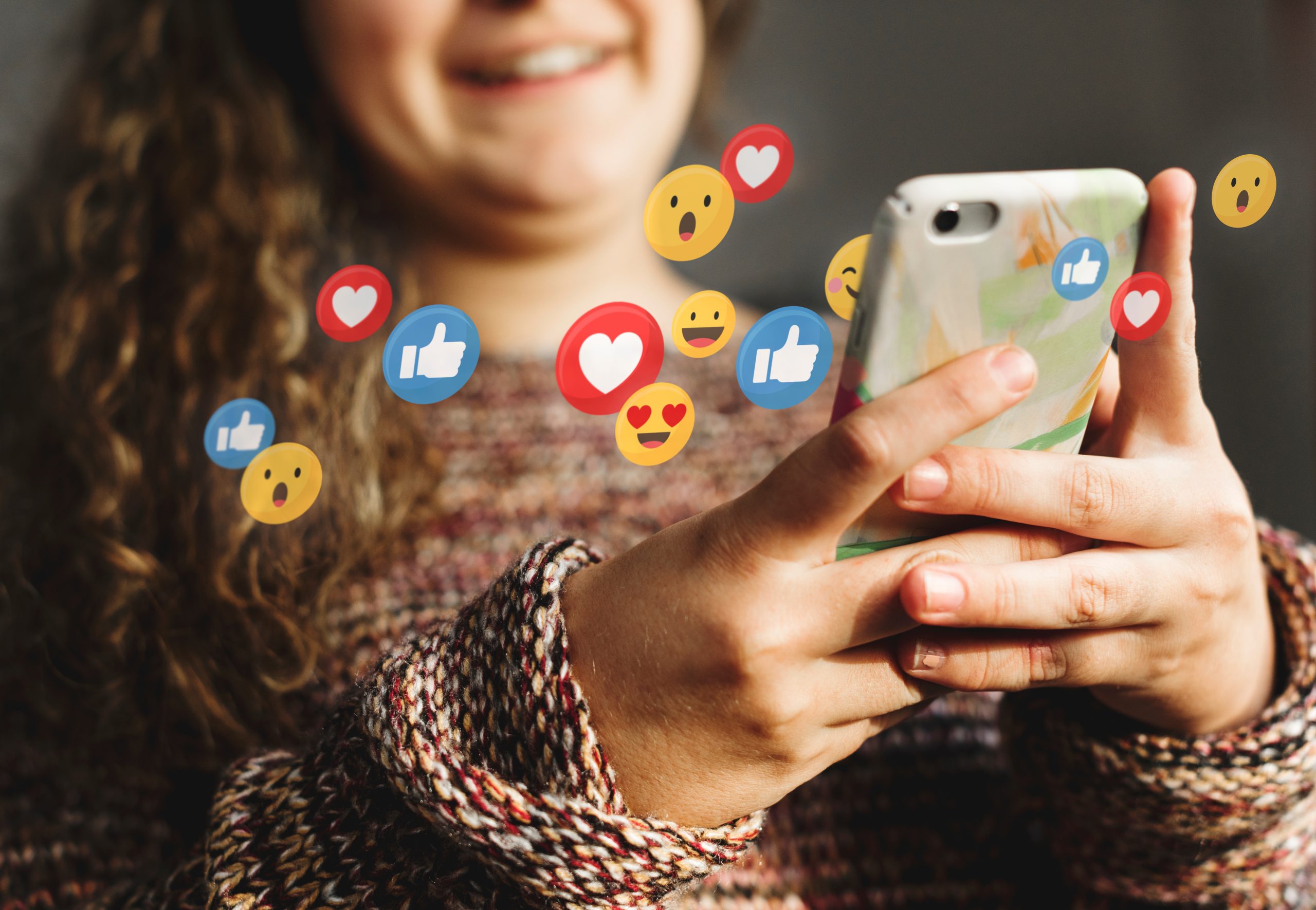
Social media plays a large role in the lives of most American adolescents. About 97% of teens in the United States use a social media platform such as Snapchat, Instagram, or Facebook, according to a Pew Research Center survey. It’s essential to understand how social media affects mental health, and research shows that teens who use social media more often also report higher rates of social isolation and loneliness.
Social media may be linked to depression, anxiety, and poor sleep in adolescents, according to a recent study. The use of social media is associated with increased rates of depression and anxiety in teens. Teens who spend more time on Facebook are more likely to report symptoms of depression than those who don’t use the site as much. They’re also less likely to seek help from family or friends when they’re struggling emotionally.
Another study found that teens who spent more time on social media were also more likely to report feeling isolated and lonely. The researchers speculated that this might be because of the lack of face-to-face interaction and increased risk of bullying. They also found that young people who used sites like Facebook and Instagram as their main source of communication with friends were more depressed than those who didn’t use them at all or used them less frequently.
How Does Social Media Impact Relationships?
Social media can also have a negative impact on how teens feel about themselves and their relationships with others.
- Self-esteem: A study found that teens who use social media for more than two hours per day are more likely to report symptoms of depression, including low self-esteem. This may be because they compare themselves to unrealistic standards presented through photos on Instagram or Facebook, often edited and altered before posting online. The pressure to look good all the time can lead some young people down paths of eating disorders or other unhealthy habits that negatively affect their mental health.
- Relationships: When teens spend too much time using social media sites such as Snapchat, Instagram, or Twitter instead of interacting with friends face-to-face, they can miss out on meaningful opportunities for building healthy relationships.
How Does Social Media Affect Adolescent Mental Health?
In the case of adolescents, social media is often used as a tool to connect with people they already know–and sometimes, that’s all they need it for. Social media platforms are primarily used by teens as a way to connect with their peers and feel like they are part of a group. But in other cases, excessive use can lead to isolation and addiction.
The key is moderation; if your child spends more than two hours per day on their phone or computer (especially if they’re doing so at night), this could be problematic for their mental health. If your teen has depression or anxiety issues that are getting worse over time because of too much screen time, talk with them about cutting back on the amount of time spent on devices so that everyone gets more sleep.
embrace U Can Help With Adolescent Mental Health Treatment
We’ve covered a lot of ground, but this is just the beginning. There are many more questions to be answered about how social media affects adolescent mental health and well-being. By understanding how social media can affect teens, parents will be better equipped to help their kids navigate these waters safely. embrace U is a teen and adolescent therapy program in Tennessee. Contact embrace U today to learn more about how our Brentwood IOP for teens can help your family improve your child’s overall wellness.