
For many adolescents, asking for help isn’t easy. Whether they’re navigating anxiety, depression, relationship challenges, or difficult emotions, opening up to another person can feel intimidating. But what happens when the person they turn to for support isn’t a person at all?
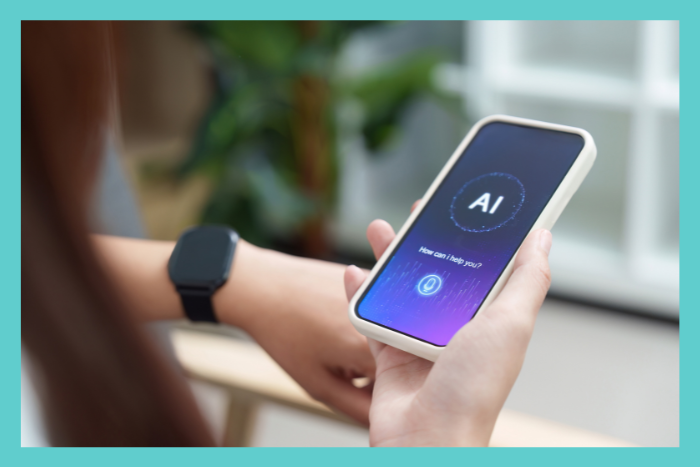
Artificial intelligence (AI) chatbots are becoming an increasingly common part of adolescent life, offering immediate responses, seemingly judgement-free conversations, and a space to explore personal struggles. While these tools may provide temporary reassurance, their growing role in teen mental health raises an important question: Can feeling understood by AI replace the benefits of human connection and professional mental health care? The answer is more complicated than it may seem.
The New “Always Available” Confidant
Imagine a teenager struggling with anxiety late at night. They don’t want to wake their parents, worry about burdening their friends, or feel embarrassed admitting what’s bothering them. Instead, they open an AI chatbot and begin typing. Within seconds, they receive a response that sounds understanding, supportive, and reassuring. For adolescents who fear judgement or rejection, that accessibility can be appealing.
According to a 2025 Pew Research Center survey, 64% of American teenagers aged 13-17 reported using AI chatbots, with three in ten using them daily. A subsequent Pew analysis found that 12% of teens had used these tools specifically for emotional support or advice. More concerning, a 2026 study published in JAMA Pediatrics found that nearly 20% of adolescents and young adults aged 12-21 had used AI chatbots for mental health advice. Among those users, more than 63% had not disclosed that use to anyone.
“Adolescents can find AI chatbots emotionally appealing for several reasons,” said Nicholas Shields, program administrator at Embrace U Knoxville. “It’s a place where they can ask questions or make statements that they might be too embarrassed to say to a human. They also may feel like the things they want to talk about may be judged or they could receive punishment if shared with an adult.”
However, while AI can offer the appearance of understanding, an automated conversation cannot replace the individualized assessment, accountability, or therapeutic relationships that support meaningful mental health treatment.
Tennessee Teens Need More Support, Not Less Human Connection
The growing use of AI for emotional support comes at a time when adolescent mental health remains a significant concern, particularly in Tennessee. According to the 2023 Tennessee Youth Risk Behavior Survey, as summarized in the state’s 2026 Council on Children’s Mental Health Annual Report:
- 42.7% of Tennessee high school students reported feeling persistently sad or hopeless during the previous year.
- 24.1% reported seriously considering suicide during the previous year.
- 15% reported attempting suicide during the previous year.
These statistics highlight the importance of accessible, effective mental health resources for adolescents and families across Tennessee. For adolescents experiencing emotional distress, an AI chatbot may appear to fill an immediate need. It offers accessibility without scheduling an appointment, explaining difficult feelings face-to-face, or worrying about how someone might respond.
But adolescent mental health challenges are rarely resolved through reassurance alone. Anxiety, depression, emotional dysregulation, and relationship difficulties often require more comprehensive support that considers a teenager’s environment, developmental needs, behavior, and emotional well-being. Rather than viewing AI use as a sign that teenagers prefer technology over people, parents should consider what their child’s reliance on technology might reveal about their need for connection, understanding, and support.
Why AI Chatbots Can Feel Helpful
Although AI chatbots are not substitutes for professional mental health treatment, they may have a limited, supportive role when used appropriately. For adolescents struggling to identify or communicate their emotions, AI can provide a starting point for self-reflection. A teenager might use a chatbot to explore journaling prompts, identify possible coping strategies, or find words to describe something they want to discuss with a trusted adult.
“AI can be a useful tool alongside therapy when used the right way,” said Shields. “An example would be using it to support a format for keeping up with therapeutic homework such as tracking certain behaviors, emotions, or coping mechanisms.”
When guided by a licensed professional, these activities may complement the work being done in therapy. The important distinction is that a helpful conversation is not necessarily therapeutic treatment. While a chatbot can generate supportive language or suggest general coping exercises, it cannot independently provide the comprehensive clinical care that a struggling adolescent may need. AI can help teenagers begin identifying their feelings, but understanding and working through those feelings often requires meaningful human connection.
Where “AI Therapy” Can Become Harmful
Despite its potential benefits, relying too heavily on AI for mental health support introduces risks that parents and caregivers should understand. AI chatbots generate responses based on patterns in data and the information available during an interaction. Although responses can sound confident and compassionate, they may be inaccurate, inappropriate, or unable to recognize the seriousness of an adolescent’s emotional state.
“Chatbots are unable to read nonverbal cues that could be giving signs of distress,” said Shields. “They are unable to see the entire picture as they may only take the context of what they are currently being told rather than the patterns over time.”
A licensed therapist may recognize changes in body language, withdrawal, emotional expression, or behavioral patterns that suggest an adolescent is struggling. AI cannot reliably evaluate these signs in the context of a complete clinical picture.
Another concern is the potential for chatbots to reinforce unhealthy thought patterns. Rather than appropriately challenging distorted thinking or identifying harmful behavior, an AI system may respond in ways that unintentionally validate a teenager’s negative beliefs. The American Psychological Association has cautioned that generative AI chatbots may lack adequate safeguards and clinical validation, particularly when used by vulnerable individuals seeking mental health support.
Beyond inaccurate guidance, excessive reliance on AI can also affect the development of real-world coping skills and relationships.
“By creating a system where real social skills are not being practiced due to the nature of the involvement of AI, there is no conflict where coping skills or resolution would have ot be used like it would in a real situation,” said Shields.
Healthy relationships require communication, compromise, boundaries, and the ability to work through uncomfortable emotions. These experiences cannot be fully replicated through a chatbot designed to generate responses.
Privacy is another important consideration. Sensitive information shared with AI platforms may be stored or processed according to each company’s policies. Adolescents may not fully understand how personal disclosures could be retained or used. Recognizing these concerns, Tennessee enacted Public Chapter 647 in 2026, prohibiting developers and deployers of AI systems from advertising or representing those systems are qualified mental health professionals.
While technology continues to evolve, the distinction between automated assistance and licensed clinical care remains essential.
What Real Therapy Offers That a Chatbot Cannot
Perhaps the most meaningful difference between interacting with an AI chatbot and working with a licensed mental health professional is the relationship itself. A chatbot can generate language that sounds empathetic, but a therapist provides individualized care informed by professional training, clinical assessment, ethical responsibilities, and an understanding of adolescent development.
“An adolescent might feel heard by AI, but there is a big difference between that and being treated by a licensed therapist,” said Shields. “A licensed therapist has the ability to use evidence-based practices, diagnose, and has a professional code of ethics. AI cannot do any of those.”
Professional treatment also considers the broader circumstances influencing an adolescent’s well-being including family relationships, school experiences, trauma, social development, and behavioral patterns over time. Unlike a chatbot, a licensed mental health professional can recognize when symptoms are worsening, assess safety concerns, adjust treatment, and collaborate with families and other providers when appropriate. AI may be a starting point for naming a struggle, but it should never become the endpoint for addressing one.
At Embrace U, adolescents receive structured mental health treatment that emphasizes emotional regulation, healthy communication, coping strategies, and connection with others. For teens experiencing significant symptoms that interfere with everyday functioning, programs such as intensive outpatient (IOP) and partial hospitalization (PHP) provide additional therapeutic support beyond traditional outpatient appointments. These programs also offer opportunities to practice interpersonal skills, navigate difficult emotions, and develop healthier relationships in a supportive environment.
A Practical Response for Tennessee Parents
For parents discovering that their teenager has been using AI for emotional support, the goal shouldn’t be to react with fear or immediately prohibit the technology. Instead, approach the conversation with curiosity, empathy, and a willingness to understand what your child is experiencing.
“Parent can always ask about AI in a curious manner,” said Shields. “Taking the approach of listening to understand is a great way to help kids from shutting down.”
Consider opening the conversation with something like, “Have you ever used AI to talk through something personal? I’m curious about what you find helpful about it.” If your teenager shares that they feel more comfortable talking to AI than another person, avoid dismissing that experience. Acknowledge that opening up can be difficult and explore what might help them feel equally comfortable speaking with a trusted adult or mental health professional.
Parents can also establish healthy boundaries around AI use, reinforcing that these tools may be appropriate for general information or self-reflection but should not replace professional support. Encourage teens to avoid sharing sensitive personal information and to discuss mental health advice from AI with a trusted adult or clinician.
It’s equally as important to recognize when AI use may signal a deeper concern.
“If a child is struggling socially or emotionally where they are withdrawing or having a lot of conflict in their relationships, it is probably time to seek professional support,” said Shields.
For Tennessee families, early intervention can make a meaningful difference. Reaching out to a pediatrician, school counselor, or licensed mental health provider can help determine what level of support is appropriate.
Human Connection Still Matters
AI technology will continue to shape how adolescents learn, communicate, and seek information. Rather than viewing it entirely as a threat, families have an opportunity to help teenagers understand both its capabilities and its limitations. A chatbot may help a teenager articulate their feelings, but meaningful healing requires more than receiving a reassuring response. It requires developing trust, building resilience, strengthening relationships, and learning to navigate difficult emotions with the support of people who can recognize, understand, and respond to induvial needs.
At Embrace U, we believe adolescents deserve compassionate, evidence-based mental health care that meets them where they are while helping them build the skills they need to thrive. Our intensive outpatient (IOP) and partial hospitalization (PHP) programs support adolescents ages 10-18 experiencing anxiety, depression, emotional and behavioral challenges, and other mental health concerns.
If your teenager is struggling, you don’t have to navigate the next steps alone. Learn more about Embrace U and how our programs can help your family find the right level of support.